




‘Cairo’ Soft steel bumpers
2008

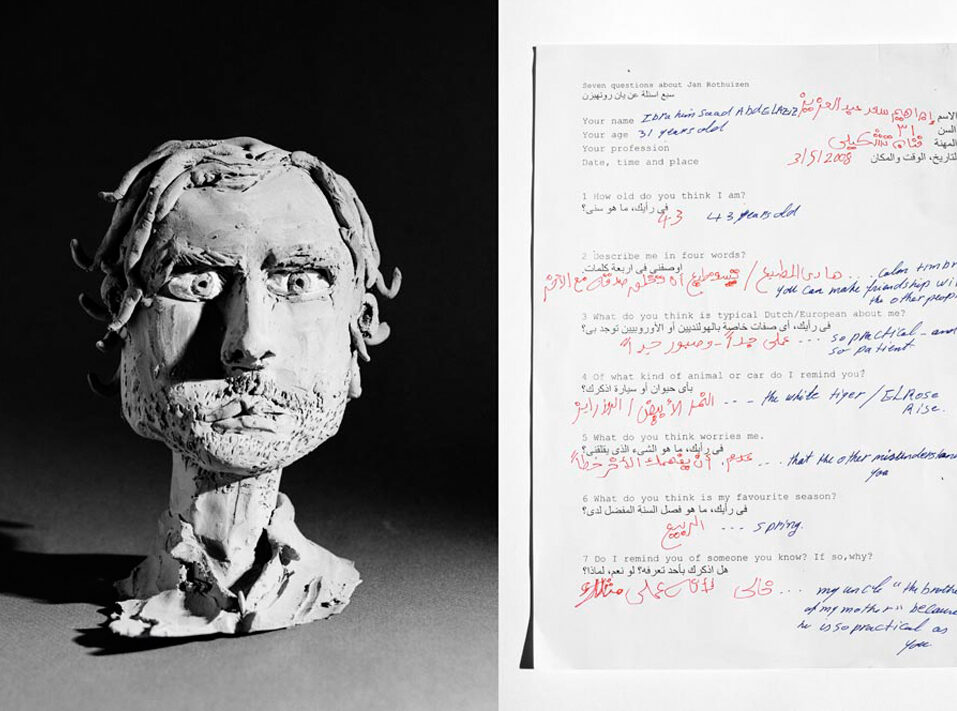
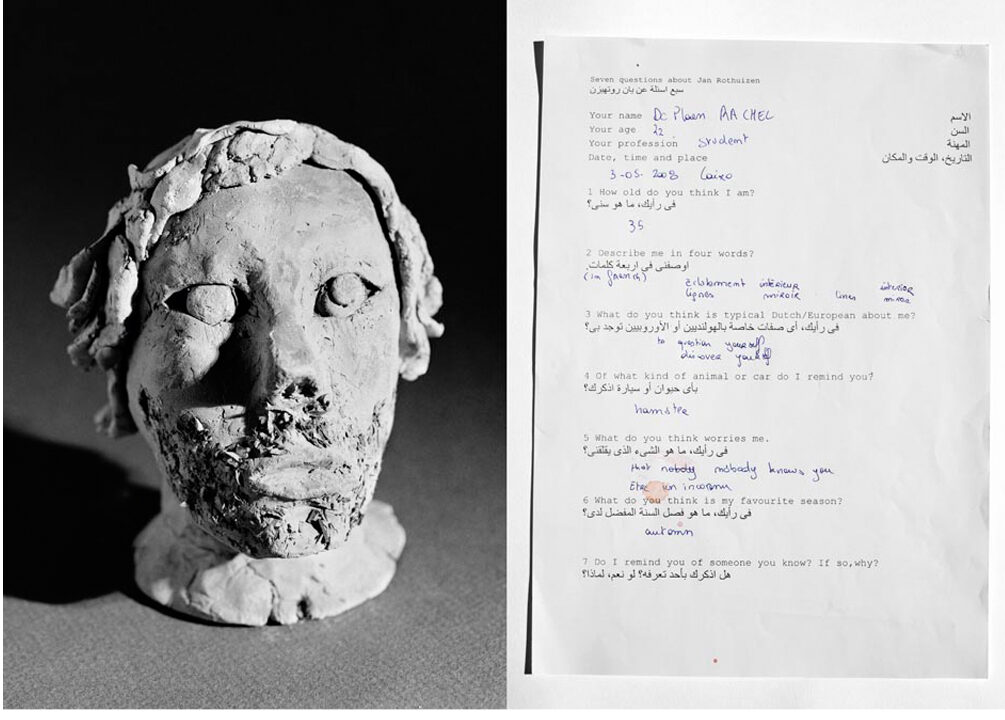
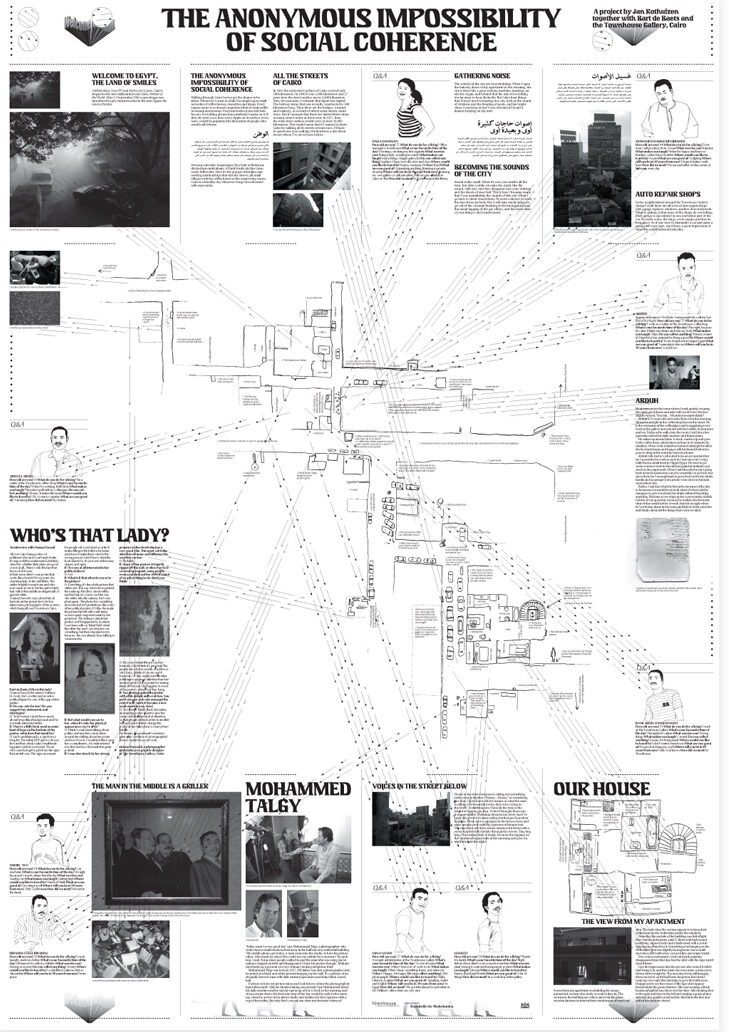
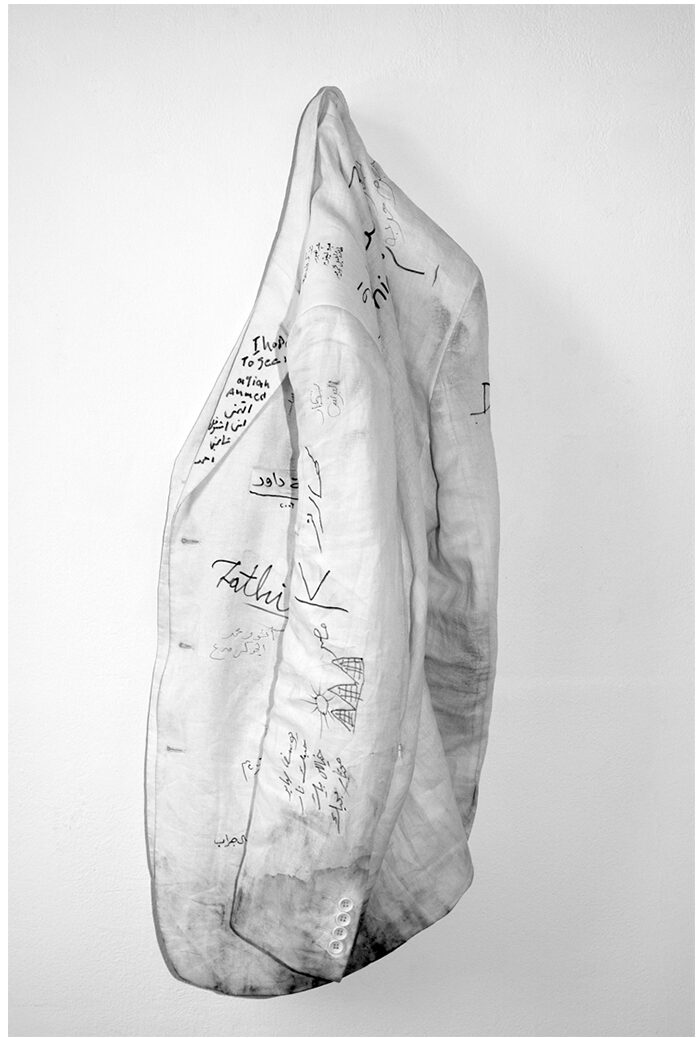
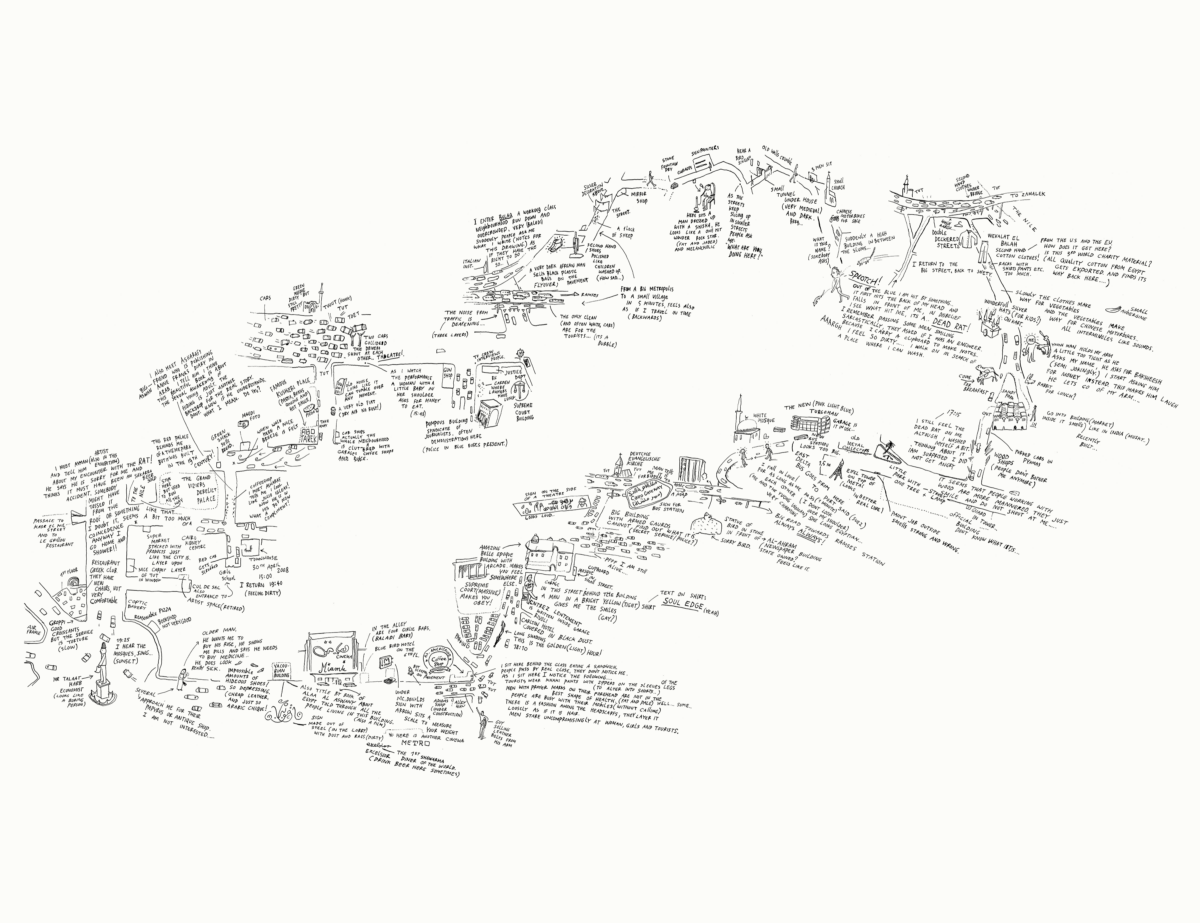
Between 2006 and 2008 I was an artist in residence at the Townhouse Gallery in Cairo. Alongside making drawings, I kept an online blog with texts, photographs, and drawings documenting my walks through the city of Cairo.
Soft Steel Bumpers is a selection of texts that I published during that period.
Soft steel bumpers
Crossing a busy street in Cairo is like walking stairs, except you don’t know ahead of time when and how deep or high the next step is going to be. This means you have to stand in the middle of the street while the traffic in front of you and behind you races past at high speed. The trick is to calmly wait until the next step presents itself so you can continue.
After three weeks I can cross the street without creating the impression of an anxious animal. But there’s another reason for this: I notice that my fear of being hit has subsided. In some strange way I’ve become convinced that the cars are softer here; the steel of the bumpers will bend and the black finish will melt as soon as I come in contact with it.
Singing metal detectors
My throat is swollen, I sneeze all the time, and this morning when I awoke, bathed in sweat from a dream in which everything was out of focus, my throat was irritated.
I think it’s the gasses, the vapors that escape from the cars, the black clouds from the minibuses that have crept into my throat via my nose.
The metal detectors placed at the entrances to hotels and other terrorist-sensitive locations here always go off when the locals walk through. The inhabitants empty their pockets one more time, watches are taken off and keys handed over, but the machine keeps beeping all the same when the people of Cairo cross the threshold. There’s a rumor going around that it’s because of the high concentration of lead in the air here. If you just stay in Cairo long enough, you collect enough lead and iron in your body to make every known metal detector sing as you pass through.
Everybody knows somebody and each person knows everybody
Cairo is a collection of looking glasses that I keep falling through. I discover layer after layer, each with its insights, possibilities and rules, yet the megalopolis just keeps on chugging along. It’s much more of a people city than Paris or Amsterdam. Everything is connected through people. Everything can be done. Everybody knows somebody and each person knows everybody. It’s as if there was this grand persona of gigantic proportions, a persona who lives in everyone and holds the whole city together.
A million little pieces
In the neighborhood around the Townhouse Gallery where I work there are all sorts of auto repair shops. One garage replaces windows, another does bodywork. What is striking is that none of the shops do everything. Each garage is specialized in one particular part of the car. So every screw, the rings, every engine part has its own place. So if you were to dismantle a car and open a garage for every part, you’d have a good impression of what this neighborhood looks like.
A self-fulfilling prophecy
Cairo is like a self-fulfilling prophecy. When I’m thirsty there’s a stall where I can get something to drink. And when I’m hungry there’s a restaurant. When I need a taxi I just raise my hand and a car stops right beside me.
The Center is everywhere
Why do I always think of the sea when I walk through the narrow, busy streets? Does it have to do with the memory of water? In the city, too, all the empty places are filled with garbage, people, clandestine shops, huts and parked cars. And just like the sea, or the universe, Cairo has no center. Cairo is a center, and the center is everywhere.
Losing my feet
Every time I start walking through the streets I’m in danger of losing my feet. The streets are so full and I’m continually amazed by the quantity of everything. I still don’t know how to protect myself from this profusion. How can I understand this place without splitting myself into the multiplicity of things that come at me like bullets?
I keep on walking down the narrow streets, past the coffee joints and the stray cats eating in the street. The speakers scream, the cars honk loudly as they brush past. Boys on bicycles balance baskets of bread on their heads. An old lady sells paper handkerchiefs from the ground. There’s the sweet smell of the water pipes mixed with the cardamom from the coffee houses. People ask me where I’m from, and I smile without answering. Every step that takes me further makes me lighter. My hands begin to tingle. I order a glass of sugar juice on the corner of the street.
Voices over the city
Outside the mosques start to sing. The first voices come from the distance in a wave that swells until the houses of prayer and mosques in my neighborhood join in, too. But as the voices still in the distance creep over the roofs along the apartment buildings in my direction, they make for a split second the size of the city perceptible, the way an echoing voice would do in a room without light.
The anonymous impossibility of social coherence
Walking through Cairo I never get the chance to be alone. Whenever I come to a halt I’m caught up in small networks of coffee houses, laundries and shops. Every square meter is so densely populated that it’s impossible to remain anonymous.
Western cities like Amsterdam, New York or Berlin are divided into individuals. A Third World city like Cairo works differently. Here it’s the groups of families and working relationships that rule the streets, all small villages with the coffee house as the connecting center. Cairo is a friendly city. Wherever I stop I’m welcomed with open arms. Everyone looks at you and feels for you.
Everything always has somebody’s name on it. If this city were a sea, then every ripple on its surface, every wave, would be populated by thousands of people who would call it home.
Becoming the sounds of this city
Sound is like smell. When it’s new you smell it all the time, but after a while you take the smell, like the sound, with you, and they disappear into your clothing and the sheets of your bed. This is how I became aware that I was assimilating the sounds of this city.
When I go back to silent Amsterdam, I’ll need a shower to wash the dust from my body. But it will take much longer to get rid of the constant honking in the background and the metal tapping of the gas sellers, and the voices that cry out things I don’t understand.
The Sandwich Artist
“Hey, I know you! You’re a movie star, right?” says a tall man who has approached me from across the street. He’s holding a plastic bag above his head to protect himself from the light drizzle.
“Where are you from?” he continues. “Amsterdam? Yes, I know you from Amsterdam! Actually I see you on television,” he goes on. “You are famous, and I am a movie director from Beirut. Let me invite you for a drink. I will pay.” And he shows me his wallet with crisp hundred-dollar bills in it. Now, I’m aware that people who show you their money on the street are always after some of yours.
I decline his invitation and tell him I’m waiting for my sandwich to be prepared at the shop behind me.
“Okay,” he says. “I will buy you a sandwich.”
“I already ordered one,” I say again. “I’m going to eat my sandwich later in my studio.”
He looks puzzled for a moment and then says, “Well, will you buy me a sandwich instead?”
“No,” I reply.
Suddenly his eyes narrow, and with a different tone of voice he says, “You are a bad person. I just offered you a sandwich and now you will not give me one. I would never do something like that.”
Suddenly I feel bad. Yes, why not, I say to myself. Let’s give the man a sandwich. We go into the sandwich shop, where he orders a sandwich and a Pepsi. As I take my money out to pay the cashier, he says with a little smile, “You must hate me now. Let me pay for this,” and he goes to take out his wallet. But the sandwich artist has already won.
“No,” I say firmly. “This one’s on me.”